What do you give parents who have everything and want less clutter?
Thoughtful gifts for parents who need nothing: shared time, family memories, useful help and a personal map, with practical advice for choosing well.

Give them something that recognises their lives: a day together that you organise, a small collection of family memories, or help with a task they keep postponing. Parents who have everything rarely need a more expensive version of something already in the cupboard. They may appreciate being understood, without acquiring another thing to store.
Start with one recent remark. Did your mum mention an old friend she misses? Does your dad keep returning to stories about the town where he grew up? Has either asked for help sorting photographs? That detail is a better guide than a list of luxury gifts. Choose something you can complete, then make the handover clear and warm.
Work out what “we don't need anything” means
Sometimes it means exactly that: the house is full and they are trying to reduce possessions. Sometimes it means they do not want you to overspend. It can also mean that the things they want are inconvenient to explain, such as company on a weekday or help with a complicated booking.
Ask a small, concrete question rather than requesting a wish list. “Would you rather have lunch together or spend an afternoon looking through the old photographs?” gives them an easy choice. Respect a firm request for no presents. A handwritten letter can acknowledge a birthday without turning that boundary into a challenge.
Make an ordinary day easier to enjoy
Plan a favourite outing with the practical details already handled. This might be a garden visit, a matinee, a local history walk or lunch at a place they used to enjoy. The gift is partly your company and partly the fact that they do not have to research parking, book tickets or coordinate everyone.
- Choose a realistic distance and allow time for breaks.
- Check seating, accessibility and dietary preferences before booking.
- Offer two dates if their calendar is uncertain.
- Say which costs you are covering, including transport or lunch.
For parents who dislike scheduled activities, bring the occasion home. Cook a familiar meal, clear up afterwards and leave enough time to sit down. An elaborate menu is less useful than a relaxed afternoon in which nobody has to host you. Check whether they would welcome guests before inviting siblings or grandchildren.
Turn a handful of photographs into something readable
A small album can be more enjoyable than a large box of unsorted prints. Choose one subject: family holidays, the houses they lived in, or a particular decade. Twenty well-chosen pictures with accurate captions are a manageable gift. Hundreds of images can feel like a project being returned to its owner.
Check dates and names with someone who knows them. If you are unsure, leave space for your parents to add the information together rather than presenting a guess as family history. Scan originals carefully, return them in order and keep a backup. Do not upload private family photographs to a shared public album without permission.
You can include one question beside each section: “Who took this picture?” or “What happened after the picnic?” The album then becomes an invitation to talk. A recording of that conversation may be lovely, but ask first and give them a copy they can actually open.
Use meaningful places for a personal piece of art
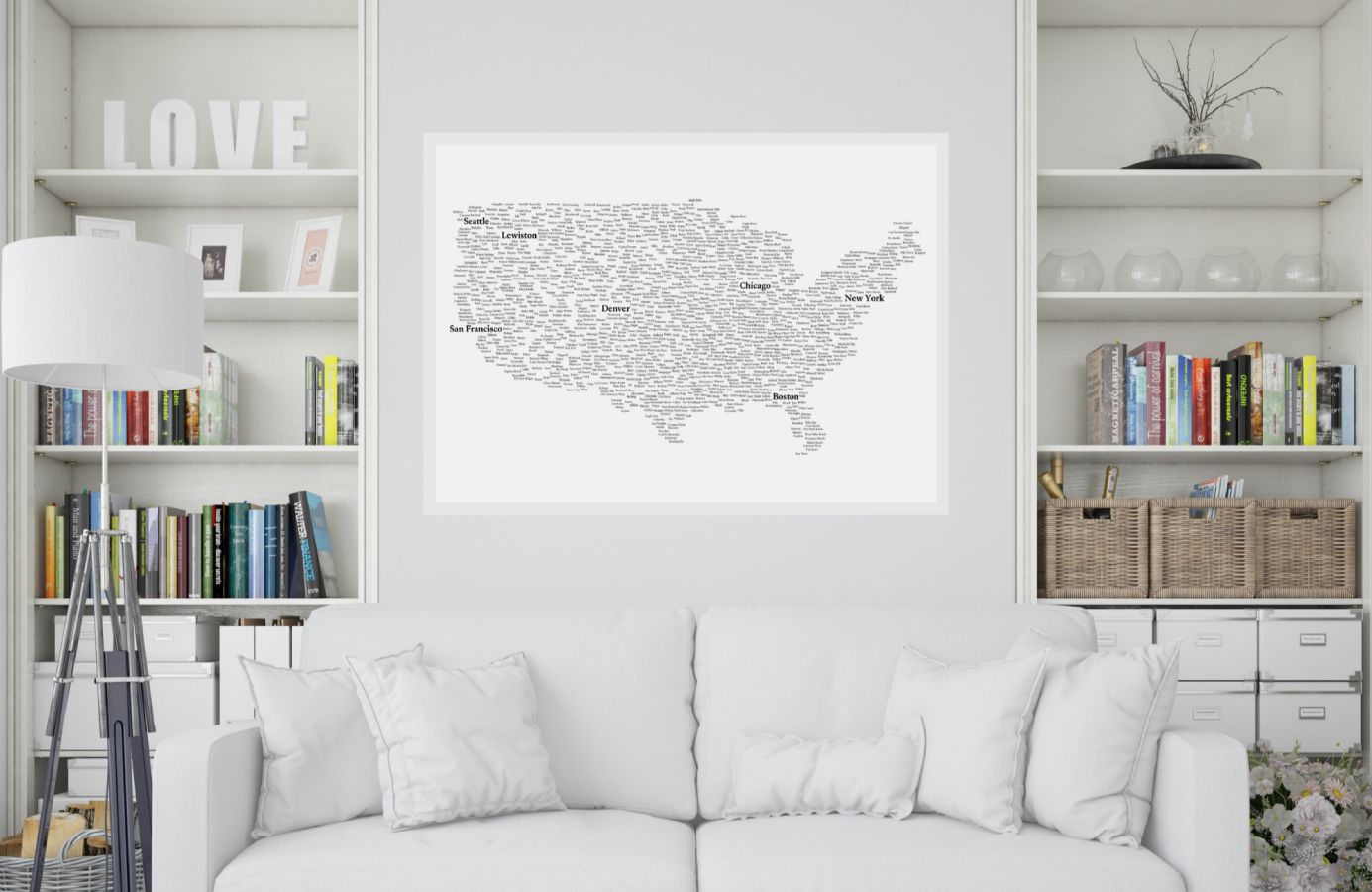
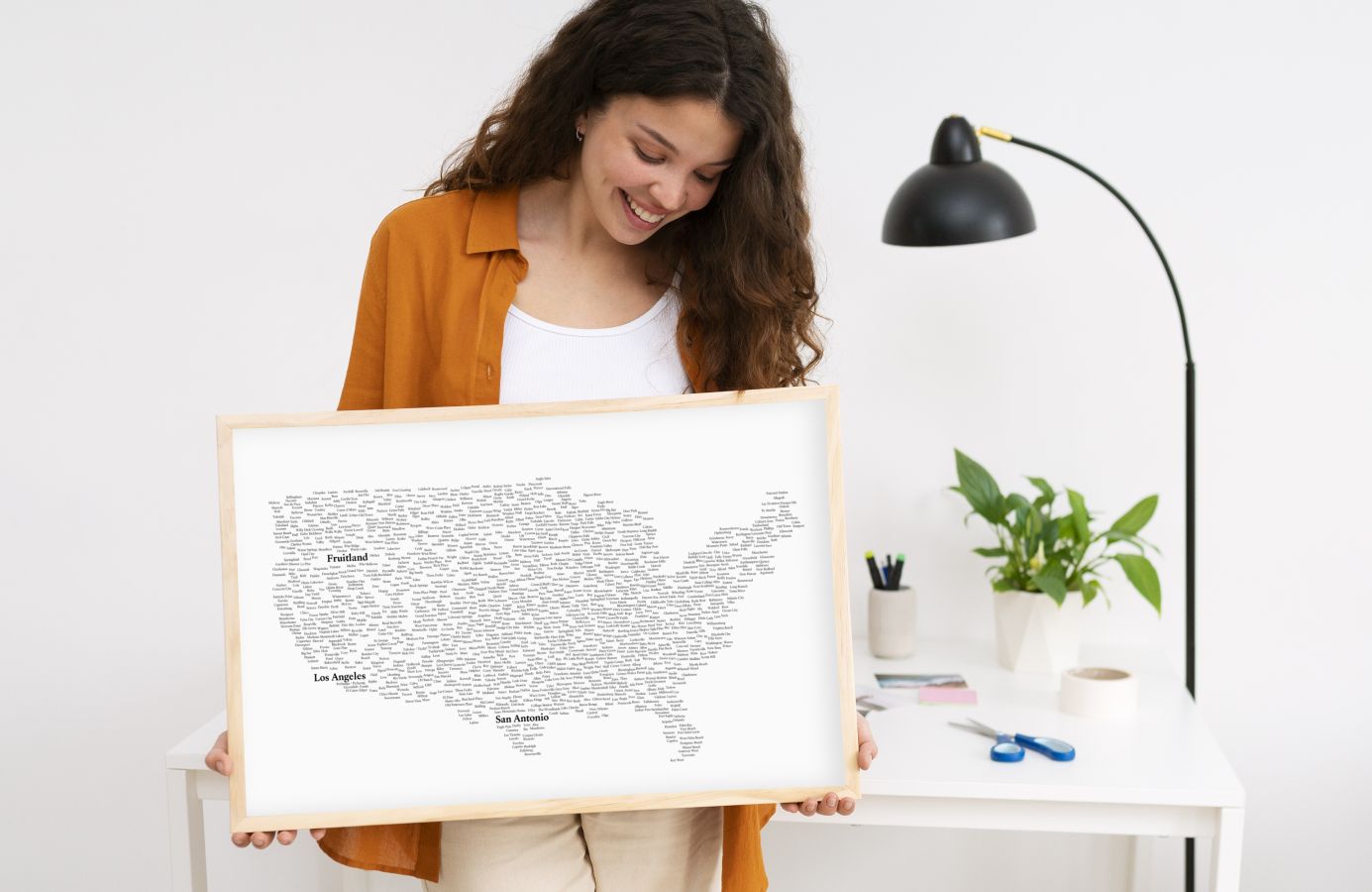
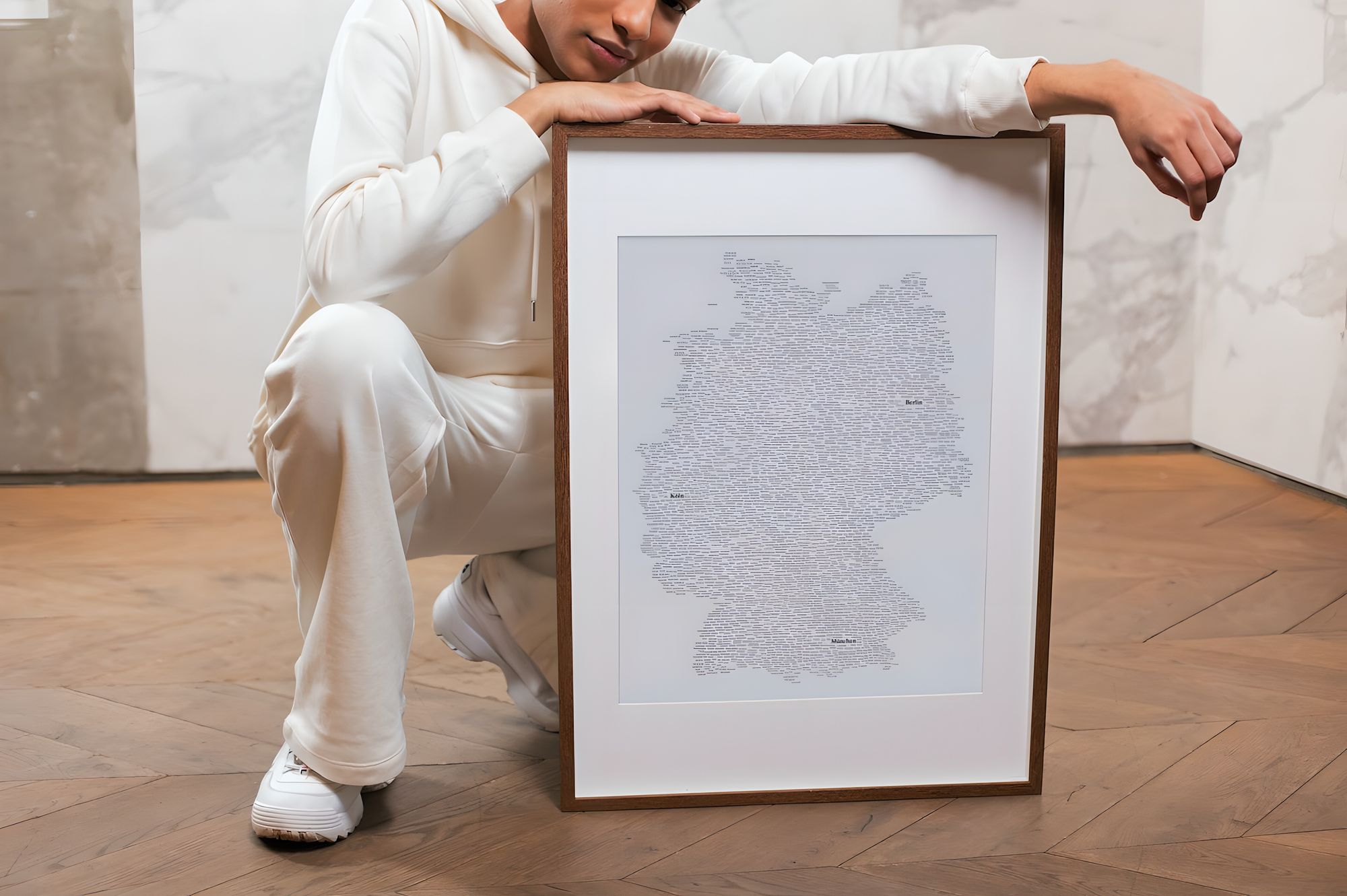
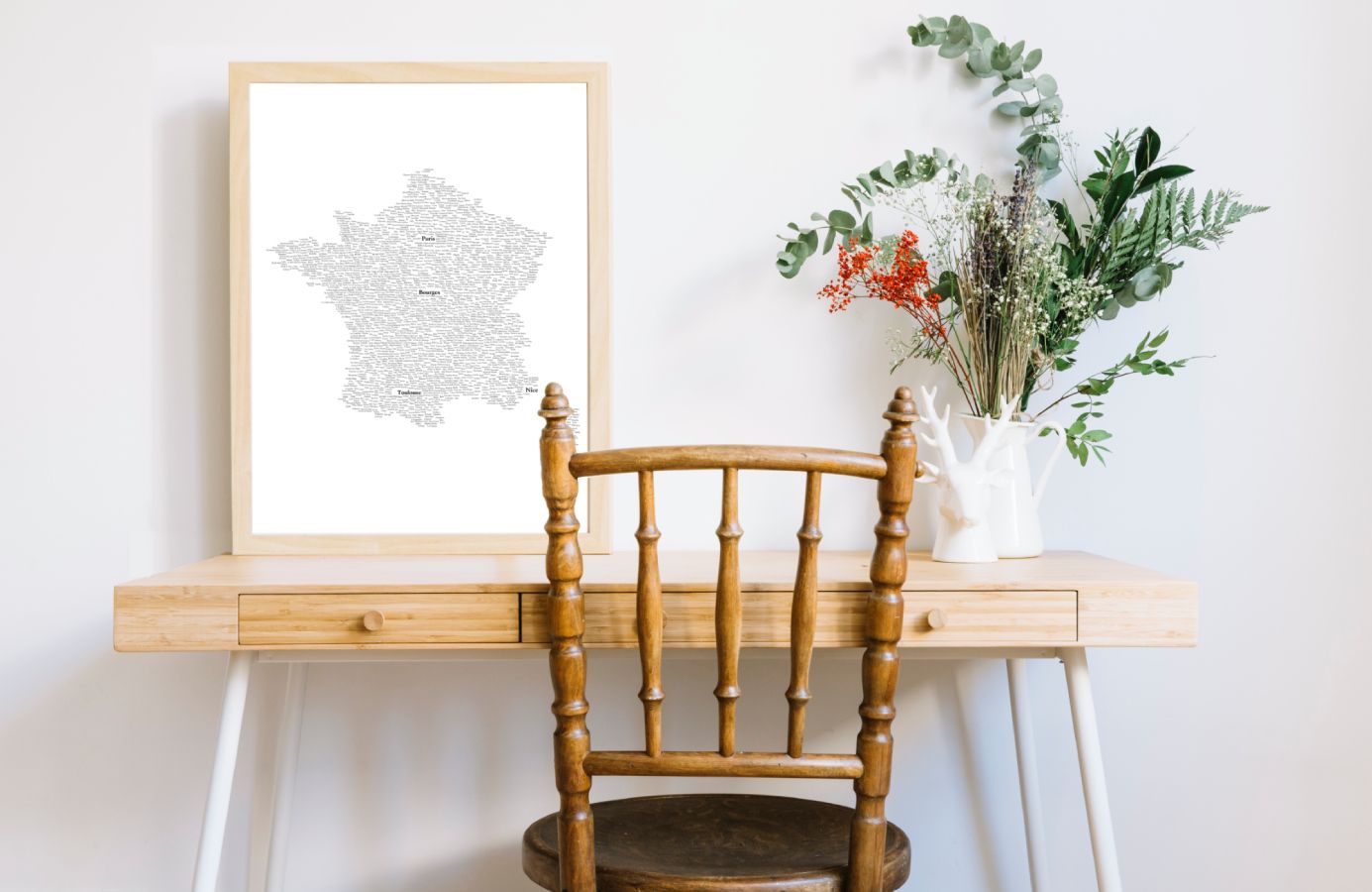
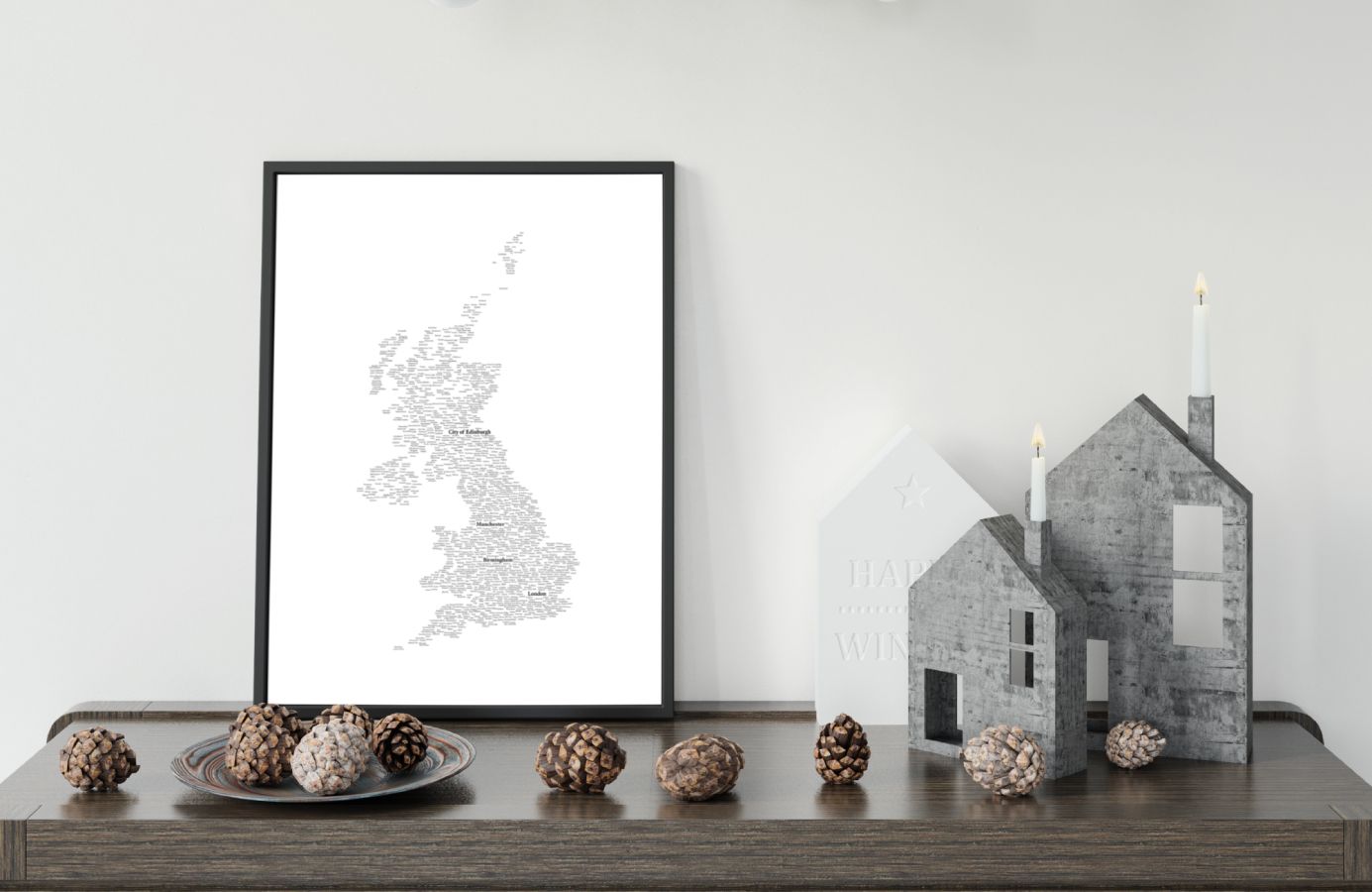
If your parents like displaying memories, a typographic map offers a quieter alternative to a wall full of photographs. On YourLovely.Place, the outline of a selected country or available region is formed from place names. You can highlight up to ten important cities, perhaps where they grew up, met or spent family holidays.
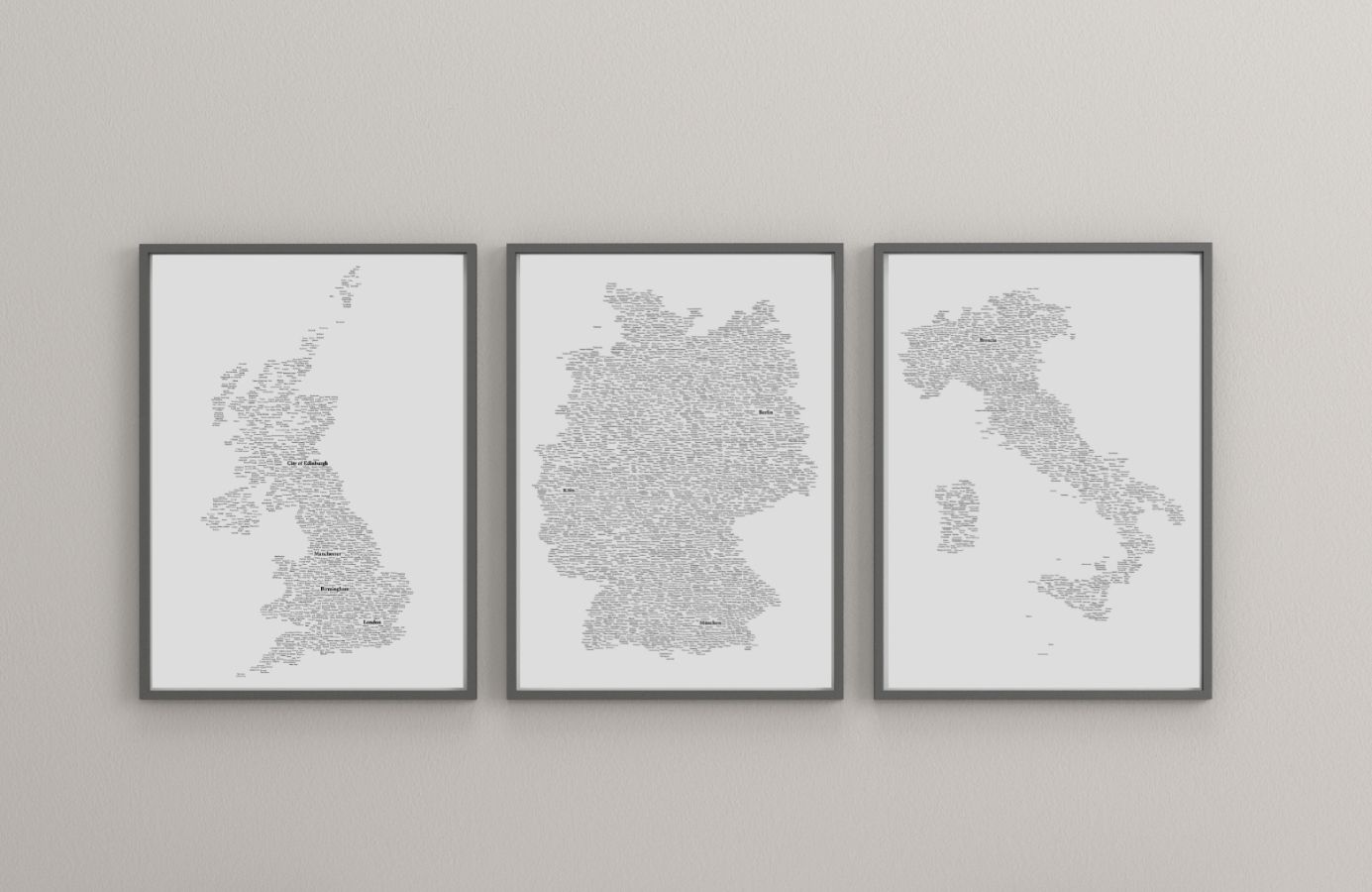
Check that the country or region and the relevant places are available before committing to the idea. One map represents one selected country or region, so choose a coherent chapter of their lives. You can explain a second country in your accompanying letter rather than trying to fit every family connection into the design.
The purchase is a digital file in PNG, PDF and TIF, sized for A1, A2 or A3. Printing and framing are separate arrangements. If you want to give a finished print, first check their wall space and style, then confirm the printer's turnaround time. For parents who are reducing possessions, offer the preview as a choice rather than assuming they want new decor.
Give a consumable they already enjoy
Buy a modest amount of excellent tea, coffee, jam or another familiar favourite. The useful word is familiar. A specialist coffee subscription is a poor fit for someone who drinks one particular instant blend and likes it. Likewise, an expensive food hamper loses its appeal if half its contents cannot be eaten.

Consider turning it into a shared ritual: one packet of tea and a regular Sunday visit, or ingredients for a recipe you will cook together. Check allergies, storage needs and whether they drink alcohol before choosing food or drink. Avoid a recurring subscription unless you will manage renewal and they genuinely want regular deliveries.
Offer help without making it sound like a judgement
Some of the best gifts have no ribbon: digitising a few home videos, organising a particular drawer with permission, or arranging transport to see a relative. Name a task they have already asked about. “I'll scan these two albums and return them next Saturday” is kinder and more useful than “I'll finally sort out all your clutter.”
Keep control with the recipient. Do not discard papers, change passwords or hire someone to enter their home as a surprise. If the job needs a professional, agree on the scope first. The gift should remove a burden, not create a new decision or suggest that they are no longer capable.
Make the handover personal and specific
Add a short note explaining why you chose the gift. Mention a particular memory or habit: the stories about their first home, the Sunday walks you remember, or the way they always made room for visiting family. Specific affection feels more personal than a long speech about deserving the best.
Before buying, ask yourself three questions: will they enjoy this, can they use it comfortably, and have I taken care of the work it creates? If the answer to the last question is no, simplify the plan. One properly arranged afternoon or one thoughtfully finished album is enough to make parents feel celebrated.