How can you turn family stories into a Christmas gift about places?
Turn three to five family places into a Christmas gift: collect memories, check names and choose an album, a recording or a digital country map.
Choose three to five places from your family’s life. Write one short memory about each place. You can put the memories in a small album, make audio recordings, or give a poster showing a map of the country together with a separate booklet. You do not need to finish an entire family tree. Start with the memories you already know and leave space for your relative to add more.
Choose one chapter
Decide whose memories you want to collect and what period you can realistically cover. A childhood, the first years in a new country, or the places where two generations lived gives the project a clear boundary. Trying to include every relative usually creates a long list with very little story. Write a one-sentence aim before opening old boxes: this gift will show where our family made a home during one particular chapter.
Choose one country for the first chapter. For example, a family with connections to United Kingdom might include York, Leeds and Bristol. Your own selection could be completely different: the village where a relative grew up, the town where they studied, or the city where they found their first job. Include a place because someone has a memory of it, rather than because it is famous. Three meaningful places are enough for a small project.
If the story crosses borders, make separate chapters in the accompanying booklet. Do not force different countries into a single decorative outline. A contemporary country map is not a historical document and cannot establish where an ancestor lived under earlier borders. Keep the explanatory detail with your notes, where it can be checked and expanded.
Ask about everyday details
Arrange a short conversation with a relative who wants to take part. Twenty minutes with an old photograph can be more useful than a broad request to tell the whole family history. Ask permission before making an audio recording. Explain that you are preparing a small gift, who will receive it and whether the material will stay within the family.
- Which place felt most like home, and what did you see from the window?
- Where did you go to school, meet friends or start working?
- What did the family call this village or town at the time?
- Which person or everyday habit do you associate with that place?
- Is there a photograph, letter or document that helps identify it?
Follow the detail that makes the speaker pause or smile. A bus ride, the smell of a workshop or a particular kitchen can give a place meaning. Let people skip a question or correct themselves later. If two relatives remember things differently, keep both versions in your working notes rather than deciding that the more confident speaker must be right.
Check the place names
Create a simple working list with five fields: place name, person, approximate period, source and what still needs checking. Keep a family recollection separate from information in a dated document. If you only know a year approximately, say so. A gift does not become less thoughtful because you have left an honest gap instead of filling it with a guess.
Check whether two settlements have the same name, whether an old spelling refers to the same place, and whether a former municipality has been merged. Compare the name in the family document with a reliable geographical or archival reference. Finding a matching surname in another person’s online tree is a clue for further work, not enough to confirm a relationship.
A family-history researcher in Britain reports that many commissions are gifts and offers a Christmas option. A professional investigation and a small homemade memory gift are different projects. For the latter, begin with family material you already have. If you want new archival research, discuss the scope, evidence and schedule with a specialist separately. Learn more about family history.
Choose how to present the memories
A small album
Give each place one spread: a copied photograph, a few sentences and a note explaining who supplied the information. Keep the original photographs and letters safe and work from copies. Leave one blank page at the end for corrections or another story. An album is the strongest option when the words and family faces are more important than a wall decoration.

Pavel Danilyuk / Pexels · Pexels License
A recording of the stories
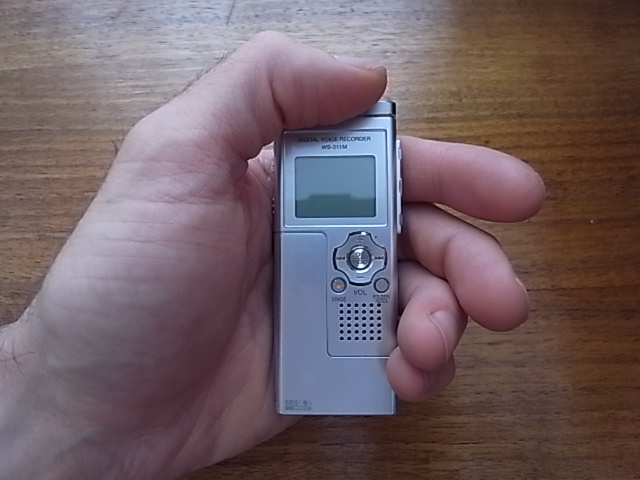
Save a short, clearly named recording for each place and include a written list of the files. Listen to them on the recipient’s device before giving the gift. Avoid making access depend on an unfamiliar account or a link that may expire. A transcript or a few printed sentences also helps relatives who prefer reading or find the sound difficult to follow.
justin evans / Wikimedia Commons · CC0 1.0
A poster with a country map
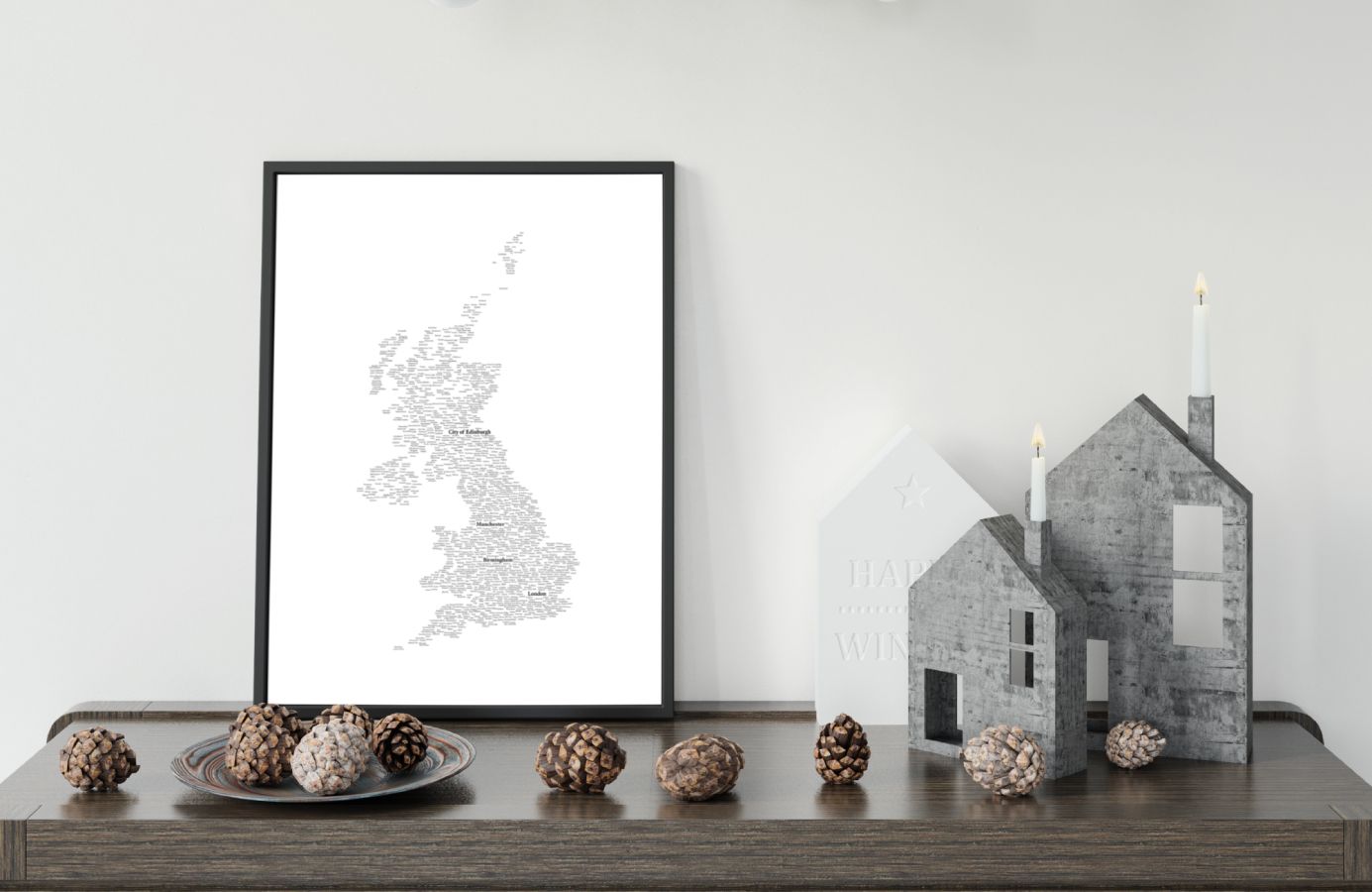
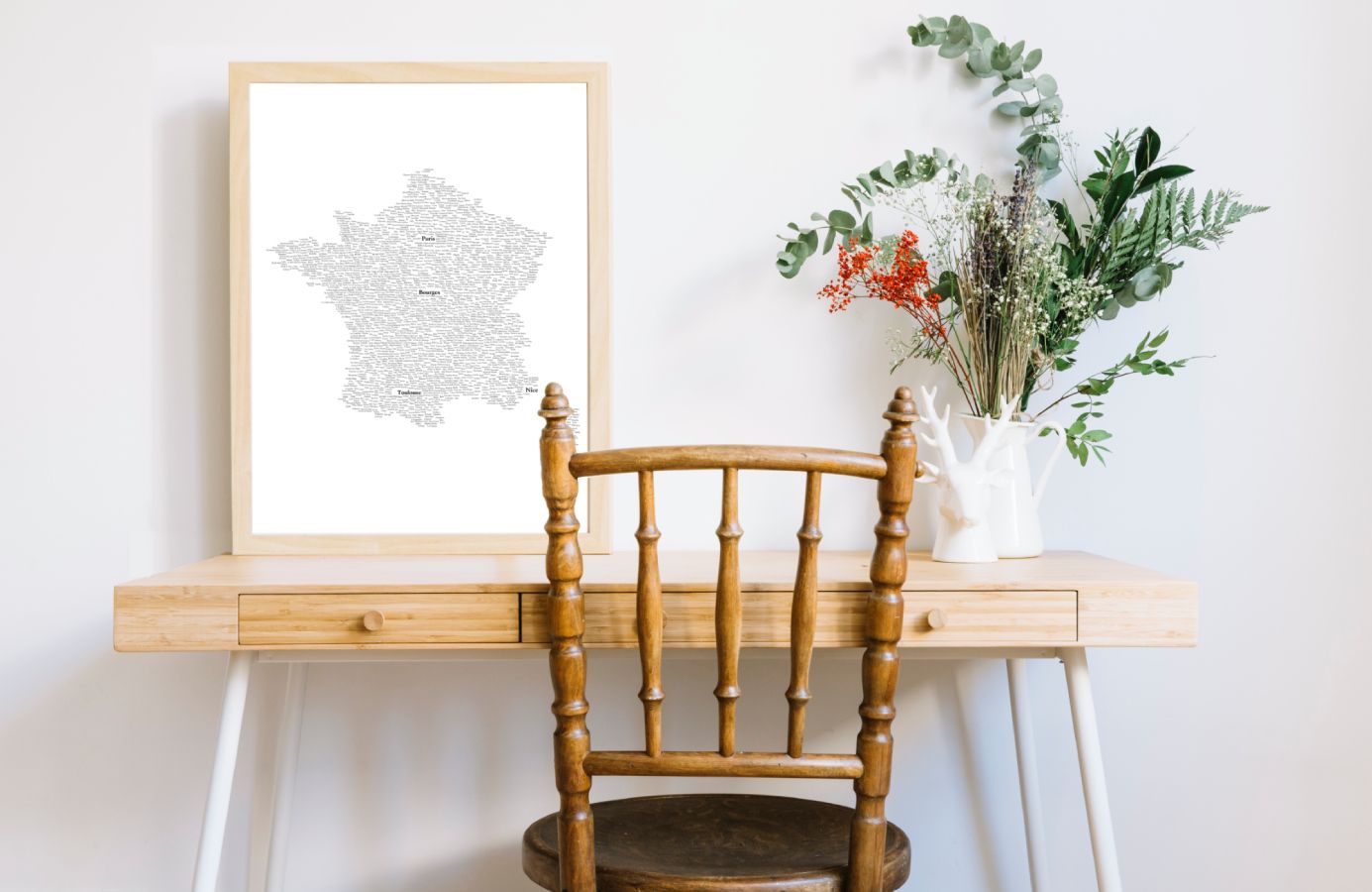
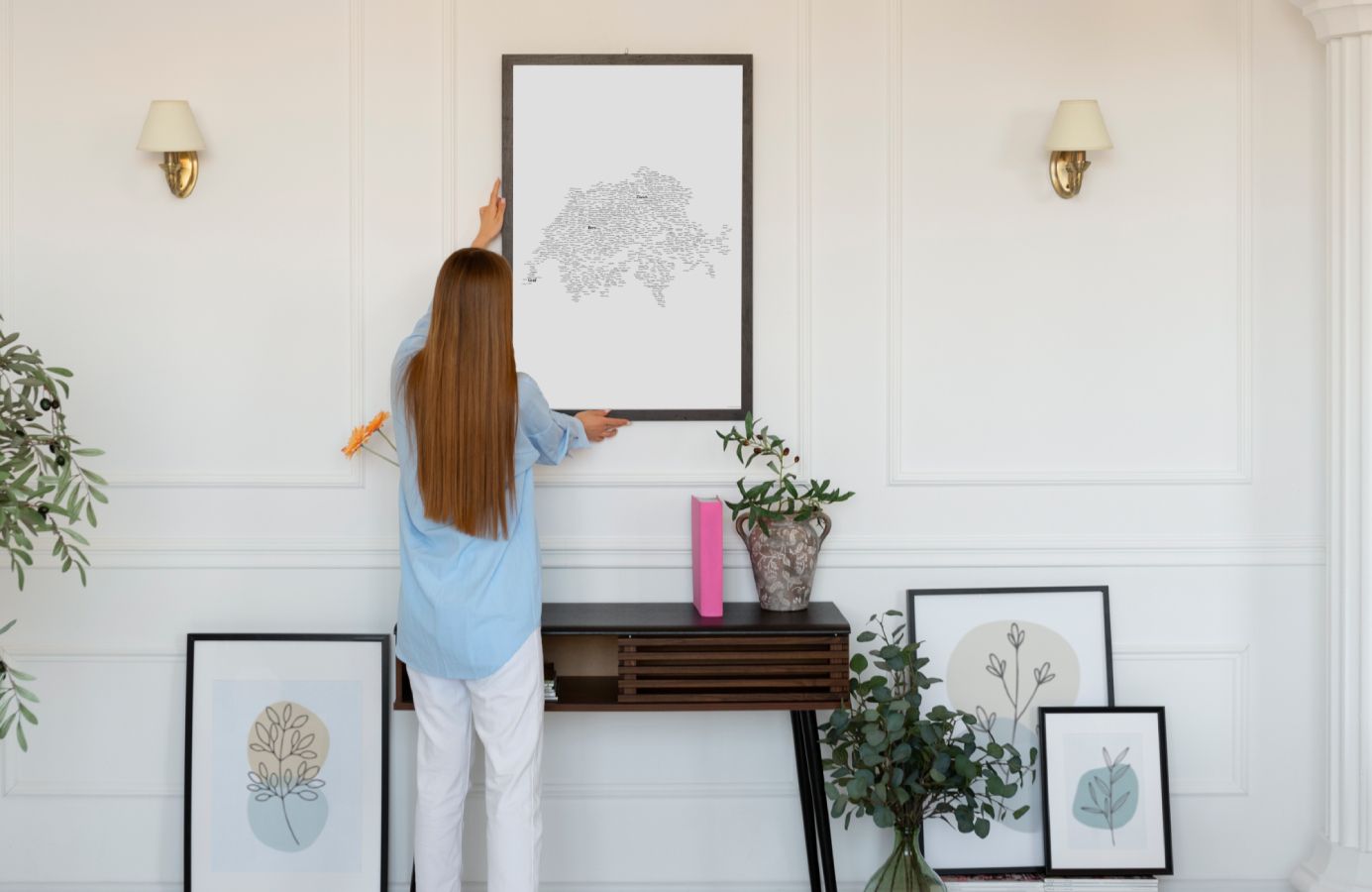
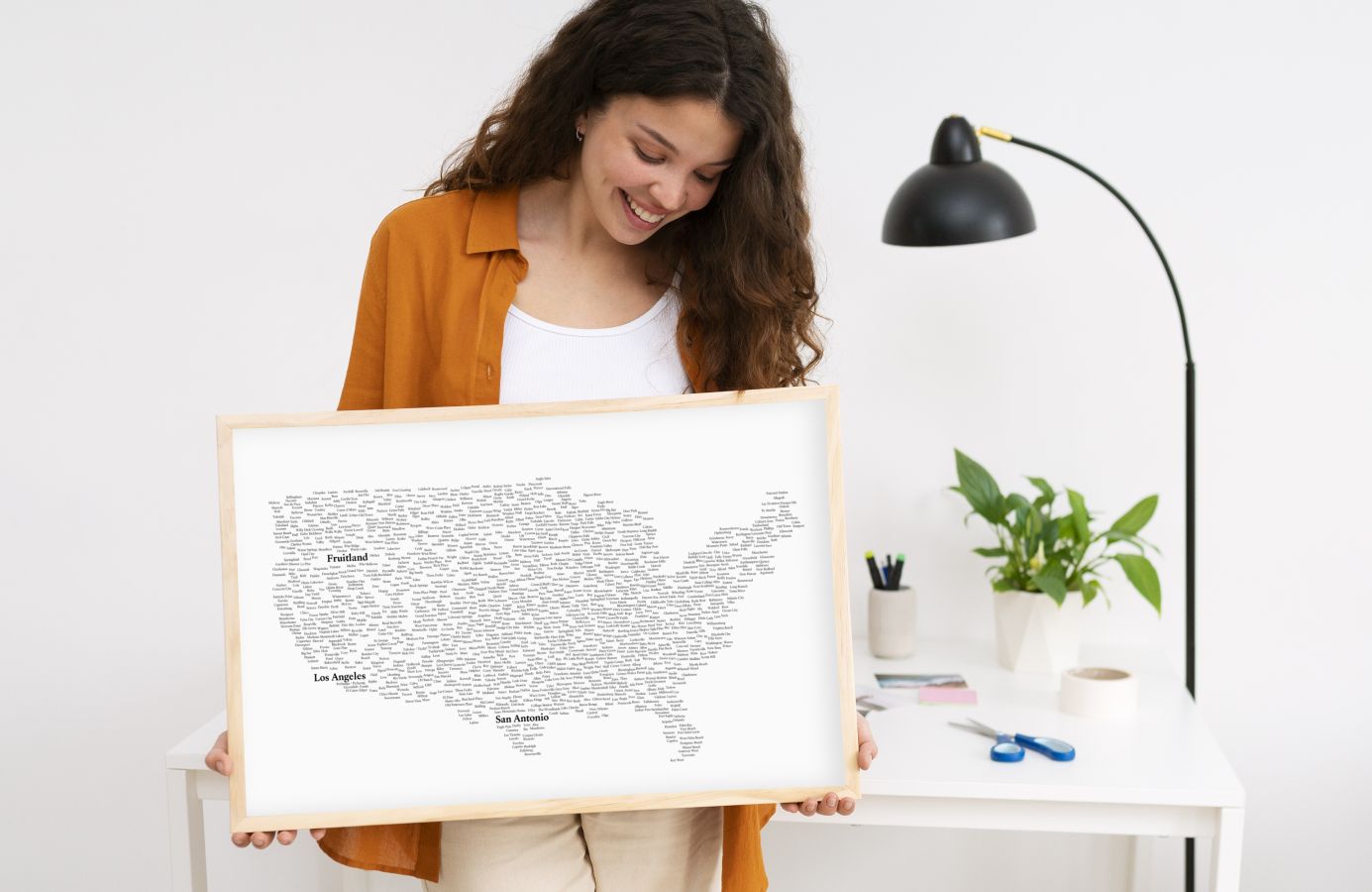
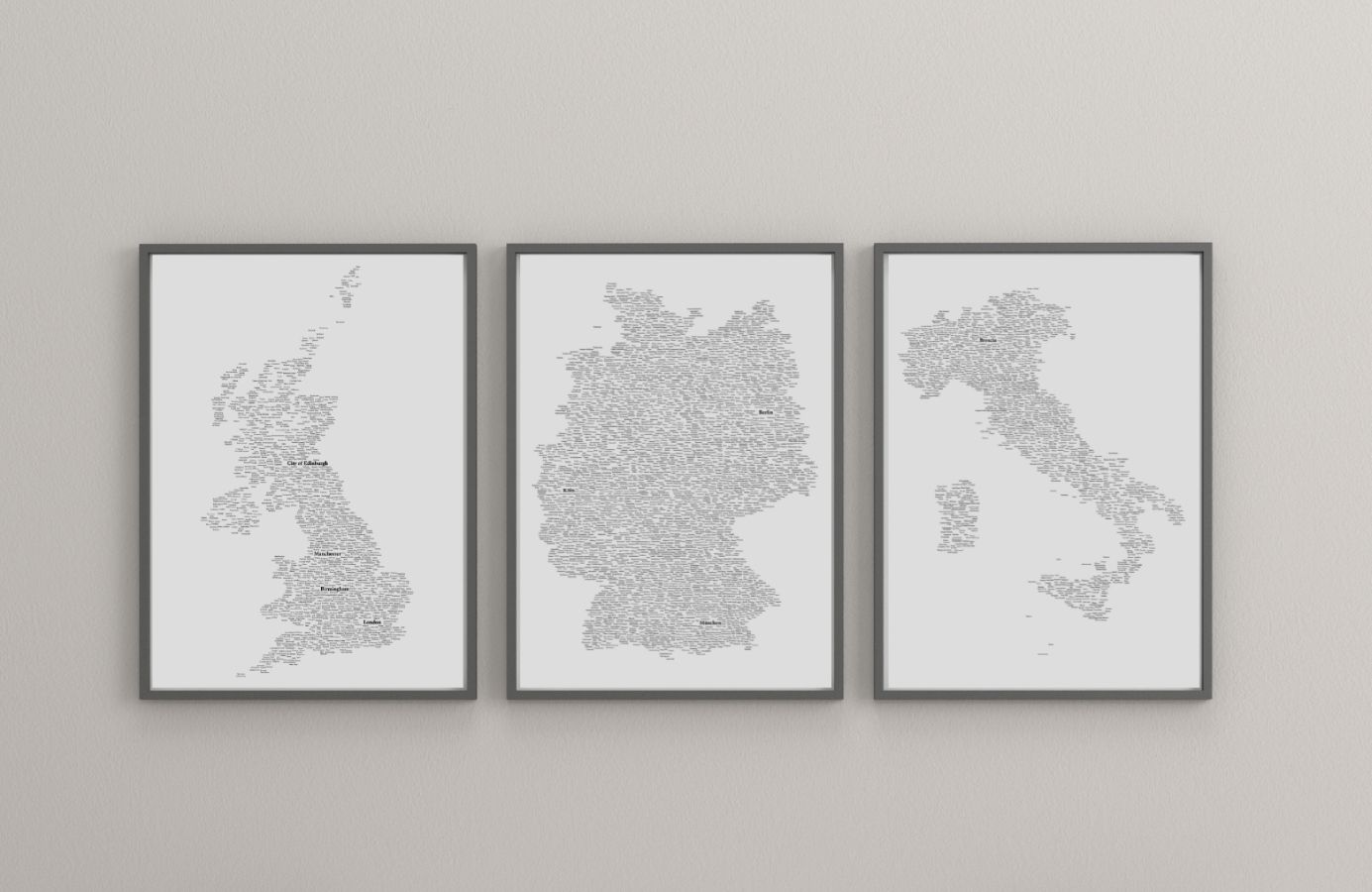
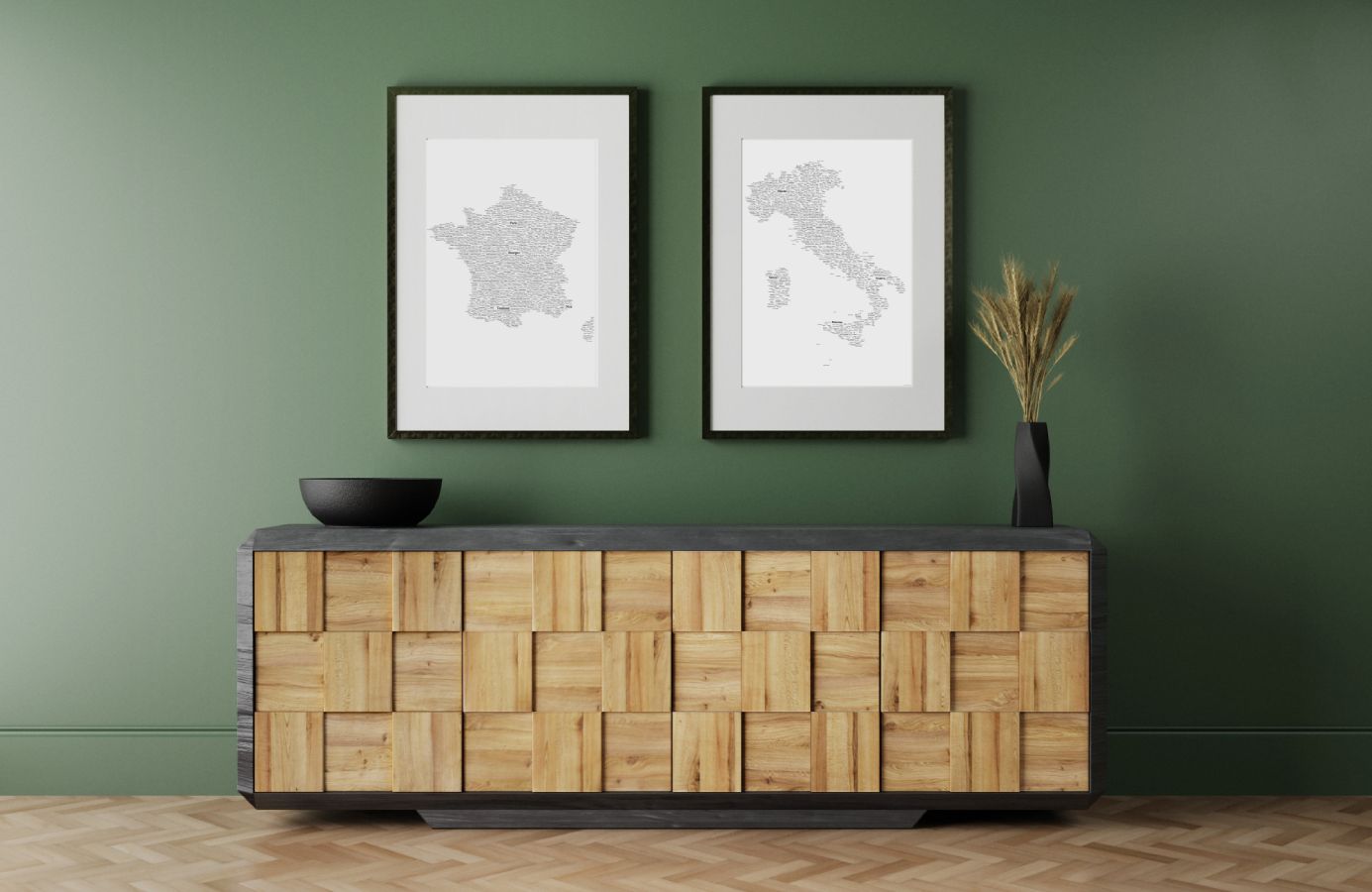
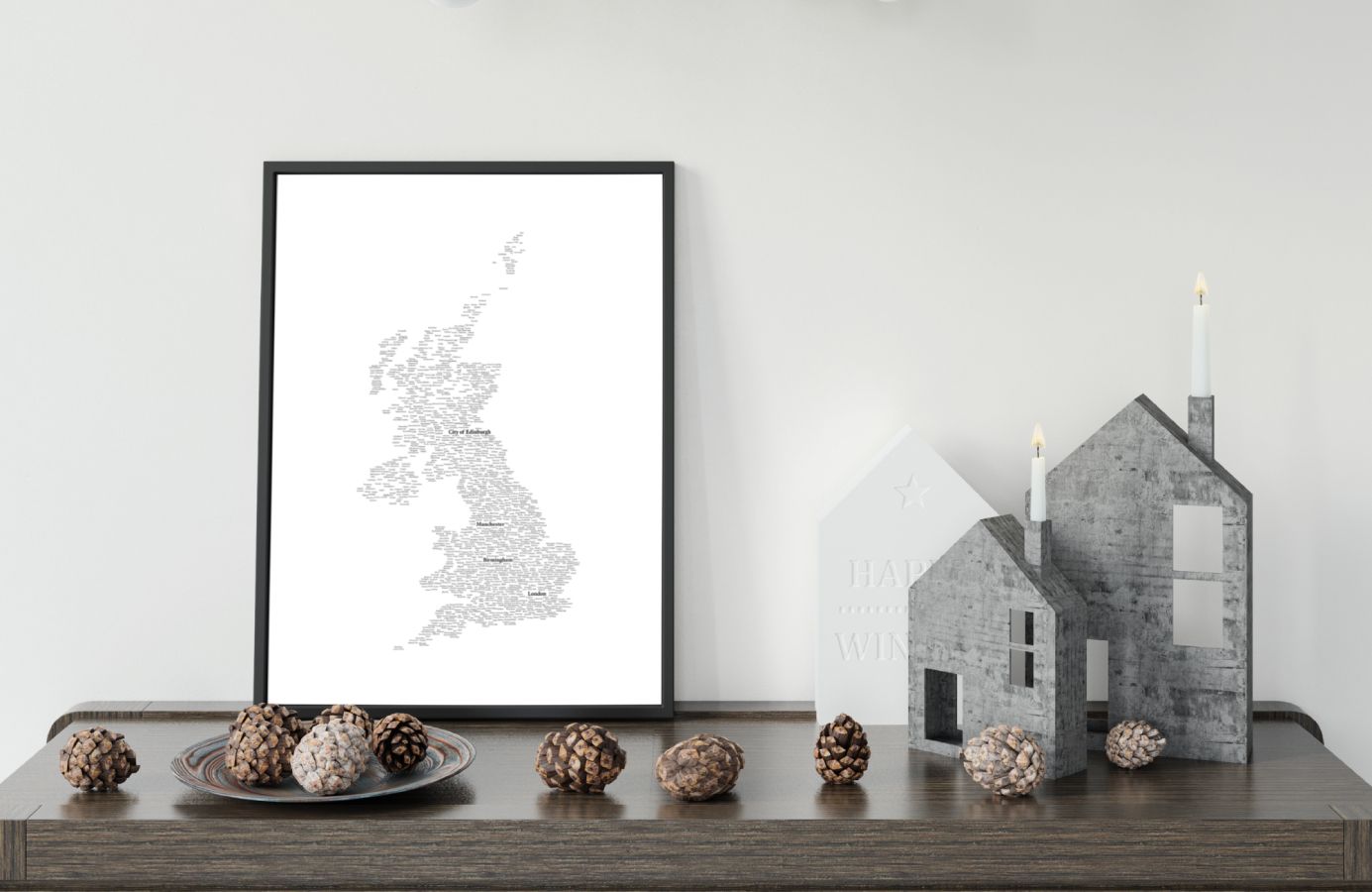
A typographic country map suits a recipient who enjoys a simple visual reminder of familiar places. The country’s silhouette is formed from settlement names, so the idea is different from a family-tree diagram. Keep the names of relatives, dates and longer stories in a separate card or booklet. Choose this option when the places are recognisable and there is a suitable space for the print.
On the service linked below, you can select up to 10 important towns to appear in larger, bolder type. Choose only the names that belong to the chapter you have selected. You can try the colour palettes, portrait or landscape orientation and the interior preview before paying. Check the actual country and the available town spellings in the editor before committing to this format. YourLovely.Place — Create a country poster.
You receive digital PNG, PDF and TIF files in A1, A2 or A3. Arrange printing and any frame separately. Each poster shows one supported country or region. The editor does not add family photographs, personal names, dates, routes or historical borders. Keep those details in the accompanying album. A family-tree chart requires a separate layout.
Plan the work before Christmas
- First session: choose the person and country chapter, then collect three to five possible places. Ask one relative for help rather than contacting everyone at once.
- Second session: check spellings and sources, select the stories and make copies of the photographs you have permission to use.
- Third session: assemble the album, recording or poster preview. Ask a trusted family member to check the place names and the tone.
- Final session: arrange any printing, test digital files and write a short note explaining why you chose these places.
Start preparing in November if you want to give the gift at the end of December. Choose a finishing date that leaves time for printing and small corrections. Ask the print shop how long the work will take before you place an order. You may want to keep the final gift a surprise, but you can still ask relatives to check spellings and photographs. Buying a digital file is only one step; printing and framing need their own time.
Prepare the gift and invite another story
Before choosing a format, add up the full cost. Include any digital design you buy, printing, a frame if you need one, and album materials. Measure the available wall space before choosing a poster size. Check the selected town names in the preview. Ask the print shop to confirm that it can use your file at the requested size. If the recipient does not want wall decorations, choose an album or an audio recording instead.
Write a separate gift card explaining why you chose these places. Ask the recipient to add one memory: what the village was called at home, who lived there, or which photograph belongs with a particular family memory. Do not publish private documents or personal information about living relatives. Keep those materials in the family’s private archive. Arrange another conversation after the celebration so that new details do not get forgotten.